
What If the Best Materials Already Exist Hidden in Plain Sight?
Materials Science
1/24/20261 min read
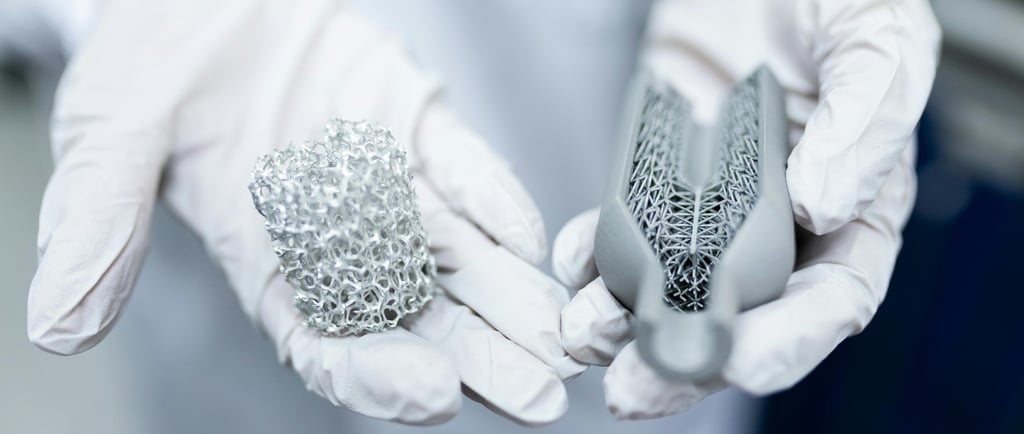
My garage lab smells like candle soot and ambition.
I didn't plan to become someone who cares deeply about materials science. It crept up on me. It started in sixth grade when I got obsessed with how gecko feet stick to walls without any glue and ended up building a gecko-inspired adhesive for prosthetics. Then came a moth-eye lens. Then a lotus-inspired filter. Then a soap formulation for sensitive skin. At some point I looked up and realized every single project had one thing in common: I was trying to recreate something nature had already perfected.
That realization quietly turned me into a materials scientist before I even had the vocabulary for it.
The core idea is almost embarrassingly simple. Nature has had billions of years of research and development under the strictest testing conditions imaginable. Survive or disappear. The materials it produced are extraordinary. Spider silk stronger than steel. Nacre tougher than manufactured ceramics, built from the same calcium carbonate as chalk. Bone that self-heals. Skin that flexes without tearing.
Scientists are now reverse engineering all of it. Self-healing polymers modeled on biological tissue. Adhesives that mimic gecko feet. Water collection systems copied from desert beetles that harvest fog from air. Filtration membranes with lotus-inspired surfaces.
The more I learn, the more I want to build. Materials science used to feel like something that happened in industrial labs far away from me. Now it feels like the most natural extension of everything I've been doing in my garage all along.
All the solutions exist in the nature around us. I just want to be someone who learns to read them and eventually, write a few of my own.