
The Coffee Beans That Reset My Nose & Why That Matters
Coffee Beans as. Filters
12/28/20252 min read
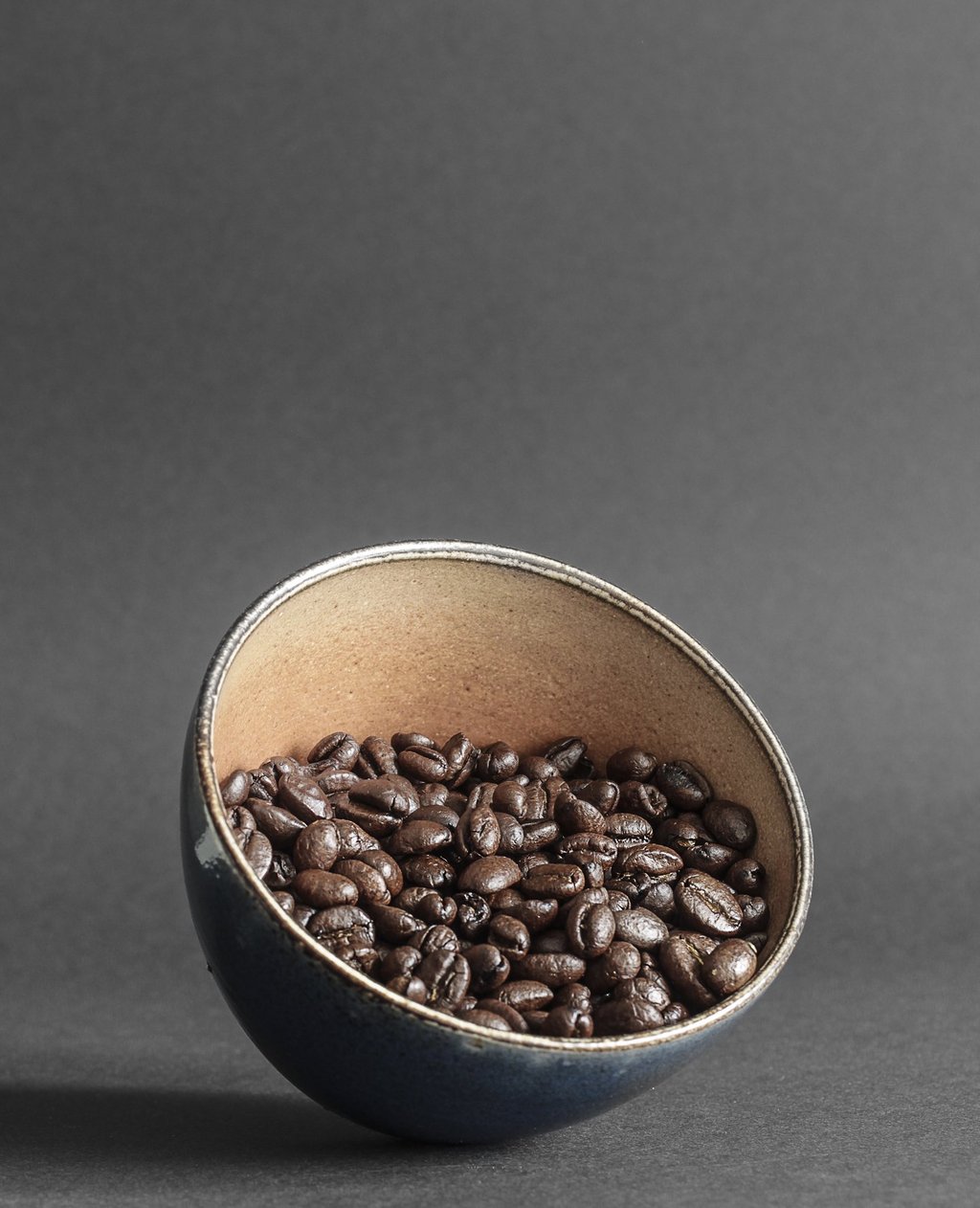
Last month I wrote about the coffee ring effect. And then life handed me another coffee story, completely unprompted.
Last week I went to buy my mother a perfume for Christmas. Twenty minutes and twelve fragrances later, my nose had completely given up. Everything smelled the same, which is to say, nothing smelled like anything at all. The saleswoman slid a small bowl of coffee beans across the counter and told me to sniff them.
It worked. Or at least it felt like it did.
I went home curious about why and started researching.
The popular explanation that coffee beans chemically neutralize lingering scent molecules turns out to be mostly myth. A study (such as those by Dr. Alexis Grosofsky) found that simply breathing fresh air resets olfactory fatigue just as effectively. What actually happens is more interesting. Your nose has roughly 400 types of olfactory receptors. Smelling too many fragrances fatigues specific receptors through sensory adaptation and they temporarily stop firing. Coffee contains over 800 distinct aromatic compounds, engaging such a broad spread of receptors simultaneously that it redistributes the neural load, giving the fatigued ones a moment to recover. Less chemical neutralization, more neurological reset.
While coffee beans don't neutralize scent inside the human nose, they do neutralize odors in the environment. Roasted coffee beans (and especially grounds) possess a complex, porous microstructure. Under a microscope, a coffee bean looks like a sponge full of tiny holes. In material science, this structure creates a massive surface area. Volatile organic compounds (VOCs) the molecules that make up odors get trapped inside these pores. This is adsorption (adhering to a surface), not absorption (soaking in). Also, coffee is rich in nitrogen (due to caffeine). Nitrogen increases the material's ability to capture sulfur-based smells (like rotten eggs or sewage). This is why coffee grounds are scientifically effective at removing bad odors from a fridge or room.
Same principle is used in activated carbon filtration. Scientists are now converting spent coffee grounds into activated carbon for removing heavy metals and pollutants from contaminated water. Effectively a low cost, waste-derived filtration material with real environmental applications.
The bowl of coffee beans that reset my nose might also help clean someone's drinking water someday.