
Microplastics: The Pollution Crisis Hidden in Plain Sight
Microplastics
10/25/20251 min read
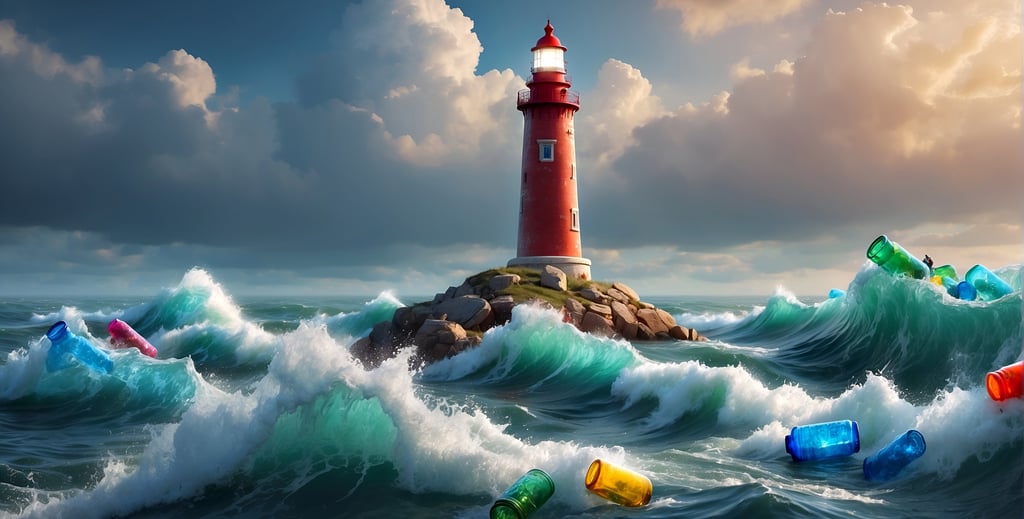
I never thought much about what happens to a plastic bottle after it's thrown away. Out of sight, out of mind, right? But here's the uncomfortable truth: plastic never really disappears. It breaks into smaller and smaller fragments until it becomes microplastics, particles less than five millimeters in size and at that point, they go absolutely everywhere.
And I mean everywhere. Scientists have found microplastics in the deepest ocean trenches, in Arctic snow, in the air we breathe, and most unsettling of all, in human blood. A 2022 study detected microplastic particles in the bloodstream of 77% of people tested. That stopped being a distant environmental problem the moment it showed up inside us.
The ecological damage runs deep. Marine animals regularly mistake microplastic particles for food, causing internal injury and starvation even when their stomachs appear full. Worse, microplastics absorb toxic pollutants from surrounding water like sponges, then carry those chemicals up the food chain, from plankton, to fish, to whatever ends up on your dinner plate.
Solutions do exist. Washing machine filters can capture up to 90% of synthetic microfibers before they drain into waterways. Biomimetic filtration systems inspired by how aquatic plant roots passively strain particles from water offer low-energy, nature-derived alternatives that genuinely excite me as someone interested in biomimetics. Stricter regulation on single-use plastics and smarter product design would cut the problem at its source.
We created the plastic age. My generation is going to have to figure out how to clean it up.