
Captain Haddock Was Right About Barnacles All Along
Barnacle Inspired Superglue
2/21/20261 min read
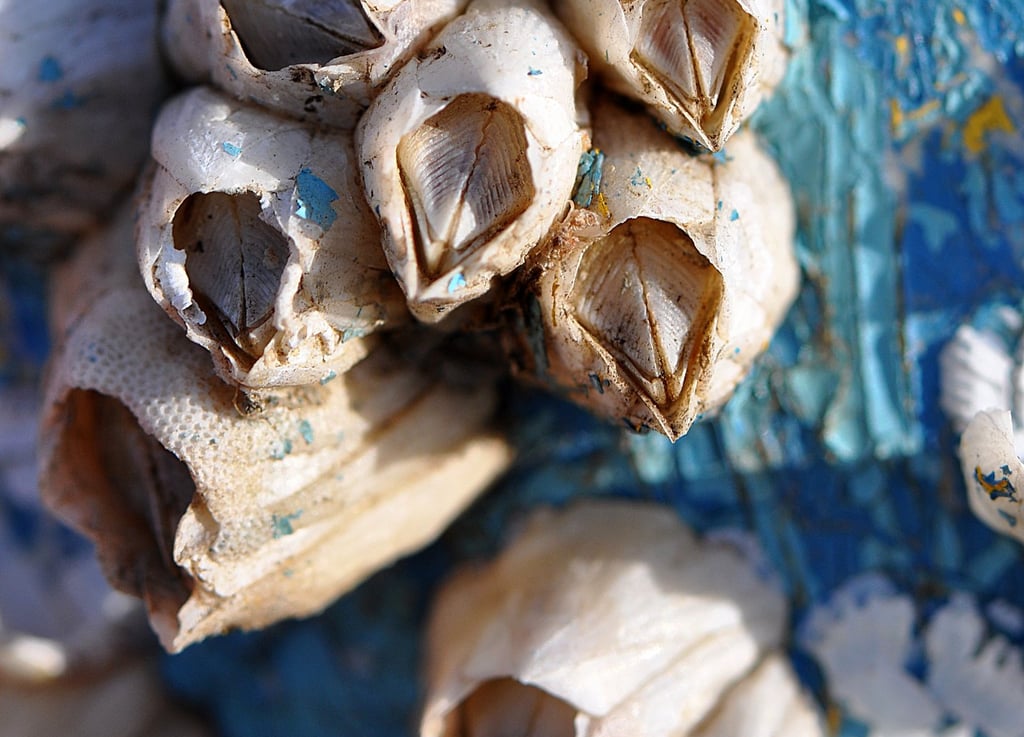
Growing up, I read every Tintin book I could find. Captain Haddock's favorite insult hurled at enemies, incompetent sailors, and life in general was "Blistering barnacles!" I thought it was just a funny old-man expression. I had no idea barnacles were actually remarkable.
Turns out, they may have solved one of medicine's hardest adhesion problems.
Barnacles attach themselves to ship hulls, rocks, and whale skin so tenaciously that entire industries exist just to scrape them off. They do this underwater, on wet, curved, moving surfaces, conditions under which virtually every human-made glue fails completely. Water is adhesion's worst enemy. It gets between surfaces and breaks molecular bonds. Barnacles don't care.
Their secret is a specialized cement protein that actively displaces water molecules from a surface before bonding to it. Researchers at Hokkaido University in Japan studied this mechanism in detail and developed a barnacle-inspired adhesive that works in wet biological environments, the kind of conditions inside a human body where conventional surgical glues and sutures routinely fail. Their work opened the door to a new class of biomedical adhesives that could seal wounds, repair tissue, and hold under the constant movement and moisture of living systems.
This is what biomimicry keeps teaching me. The solutions to our hardest problems are already out there stuck stubbornly to the bottom of a boat, waiting to be taken seriously.
Captain Haddock cursed barnacles for fouling his ship. I wish I could tell him they also figured out surgical glue.